Get free quotes from land surveying services near you
Takes about a minute. Free, no obligation; providers reply to you directly.
I found out what a land surveyor does the hard way: I bought a house with a boundary dispute that’d been simmering for fifteen years. Two neighbors, one fence line, zero documentation of where the property actually ended. I called a surveyor on a Tuesday afternoon expecting a quick answer and a $500 invoice. What I got instead was a master class in why this profession exists—and why skipping it costs people a lot more money later.
The Short Version
Land surveyors measure and legally document property boundaries using precision instruments and research. They work in the field to establish where your property actually is, then produce official documents that hold up in court. Most residential boundary surveys run $500–$2,000; complex commercial or ALTA surveys can exceed $5,000. What they deliver isn’t a nice map—it’s a legal record that protects you.
Key Takeaways
- Land surveyors perform boundary, topographic, and as-built surveys using field measurements, GPS technology, and historical property records
- A typical engagement involves pre-site research, field work with specialized equipment, office analysis, and delivery of certified legal documents
- The role requires a bachelor’s degree, state licensure, and expertise in CAD, GIS, and complex mathematics—not just fieldwork
- Professional certification means their signature and seal carry legal weight in property disputes and real estate transactions
The Work Looks Simple Until You Actually Understand It
Here’s what most people think a land surveyor does: shows up with a tape measure, marks some lines, hands you a map. Here’s what actually happens.
A surveyor’s job is to make precise measurements that determine where your property legally begins and ends—and then prove it. That sounds straightforward until you realize they’re working from old deed descriptions, historical surveys that might contradict each other, and property records scattered across multiple county offices.
They’re not just measuring. They’re researching, cross-referencing, calculating, and creating official documents that will be filed with the county, reviewed by title companies, and potentially used as evidence if someone challenges the boundary later. That sealed document with their license number on it carries legal weight. Their reputation and credential are on the line with every job.
A Typical Engagement: From Phone Call to Delivery
Let me walk you through what actually happens when you hire a surveyor.
Phase 1: The Pre-Site Research (Office Work)
Before the surveyor ever sets foot on your property, they’re digging through records. This isn’t glamorous, but it’s where most of the real work happens.
They’ll:
- Locate and review previous surveys and deed descriptions
- Research public records and land titles to understand the property’s history
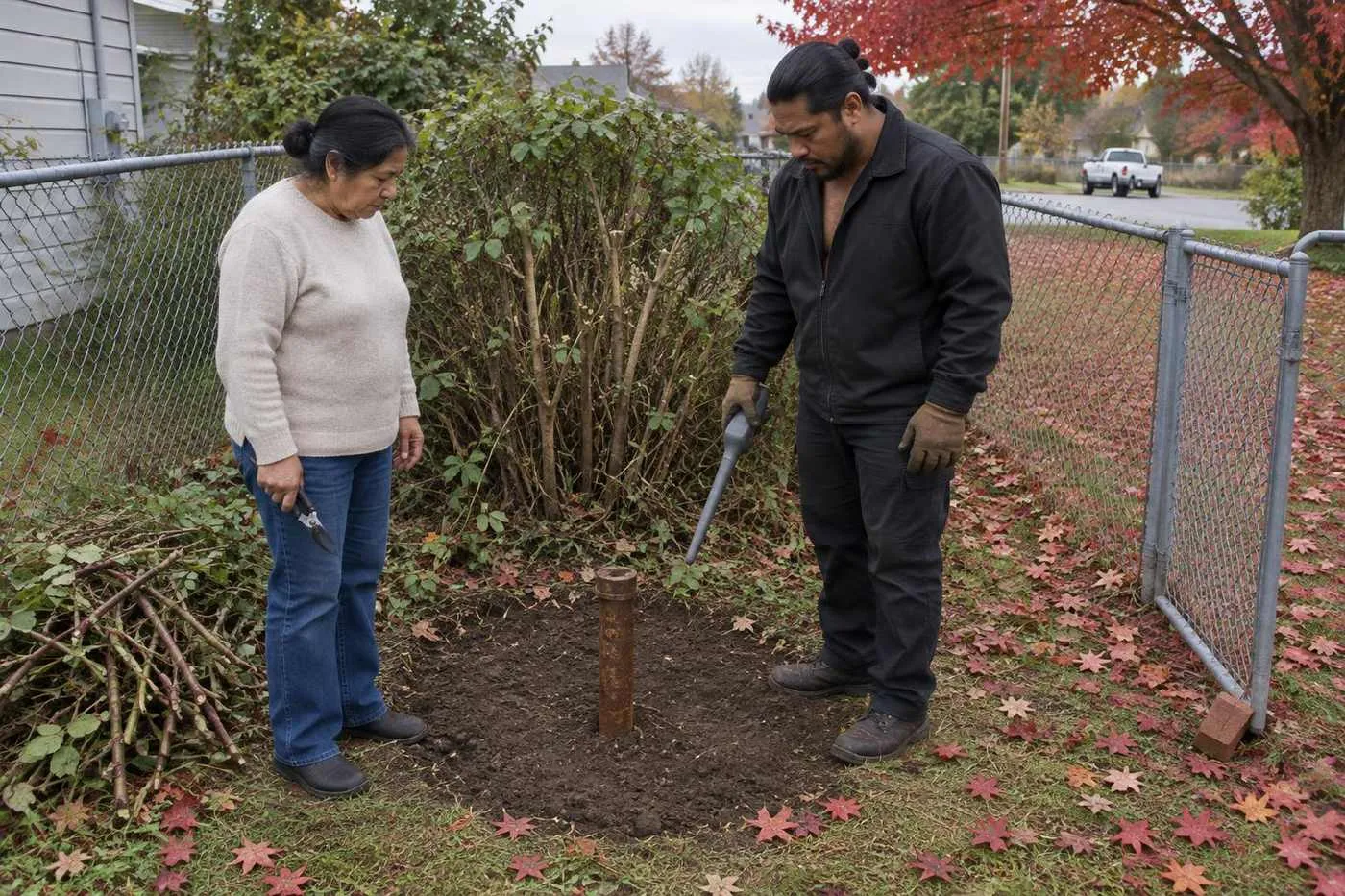
- Identify any existing survey markers or property corners from past work
- Pull zoning and permitting records if applicable
- Cross-check measurements against neighboring properties
This phase can take hours for a simple residential boundary and days for complex commercial properties. The surveyor is essentially building a paper trail that justifies every measurement they’ll take in the field.
My surveyor called me three days after I hired him. “I found a 1987 survey from the county,” he said. “Your neighbor’s fence is about eight inches over the line, but there’s a historical monument I need to verify in person.” That old survey—which I didn’t even know existed—became the foundation of the entire job.
Phase 2: The Field Work (The Visible Part)
This is where people think the real work happens, but it’s actually the execution of groundwork already done in the office.
The surveyor and their field crew show up with:
- GPS equipment (for modern surveys)
- Theodolites or total stations (precision angle and distance measurement tools)
- Level rods and transit instruments
- Metal pins and monuments to mark corners
- A survey truck with specialized equipment
On your property, they’re:
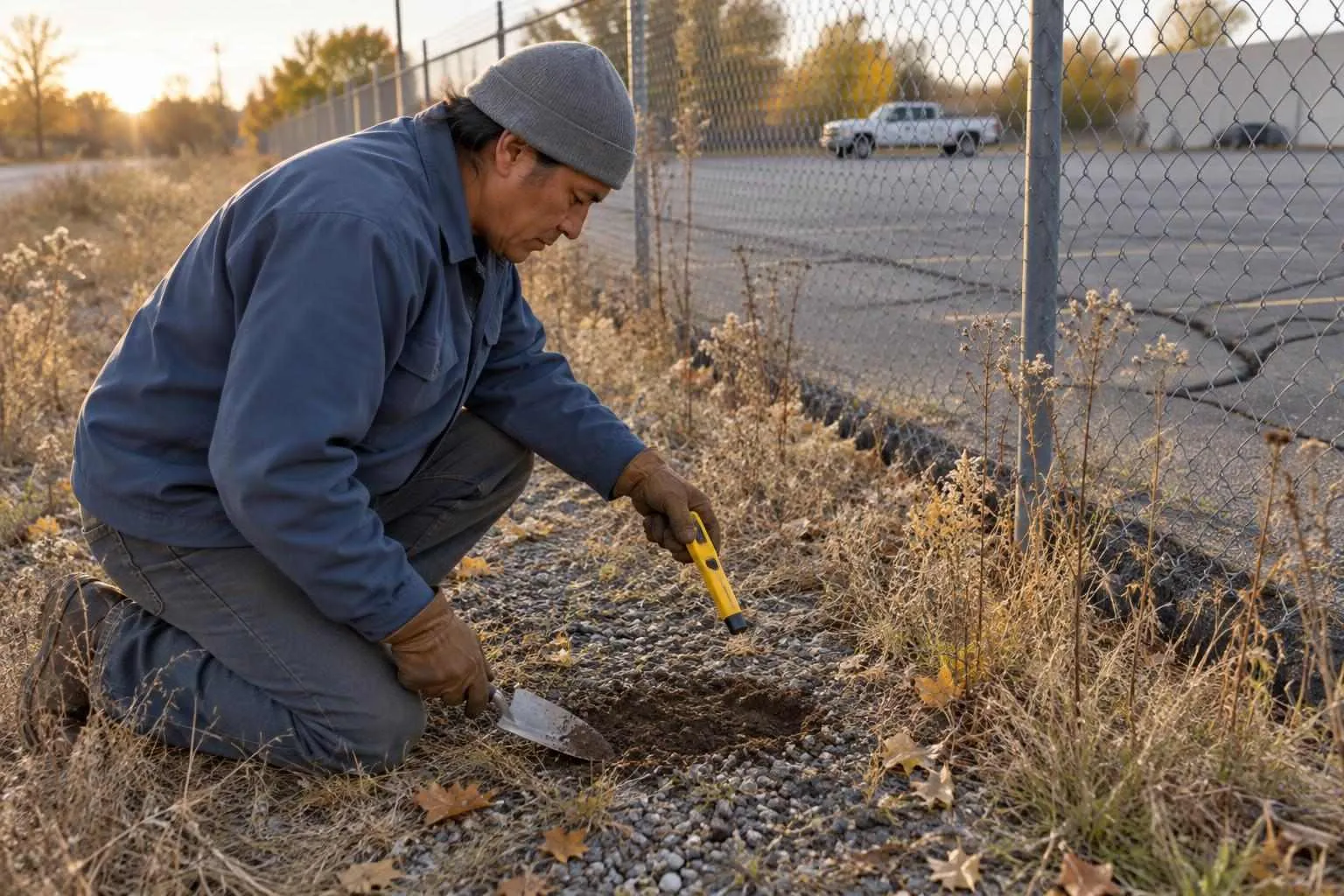
- Locating existing property corners and markers
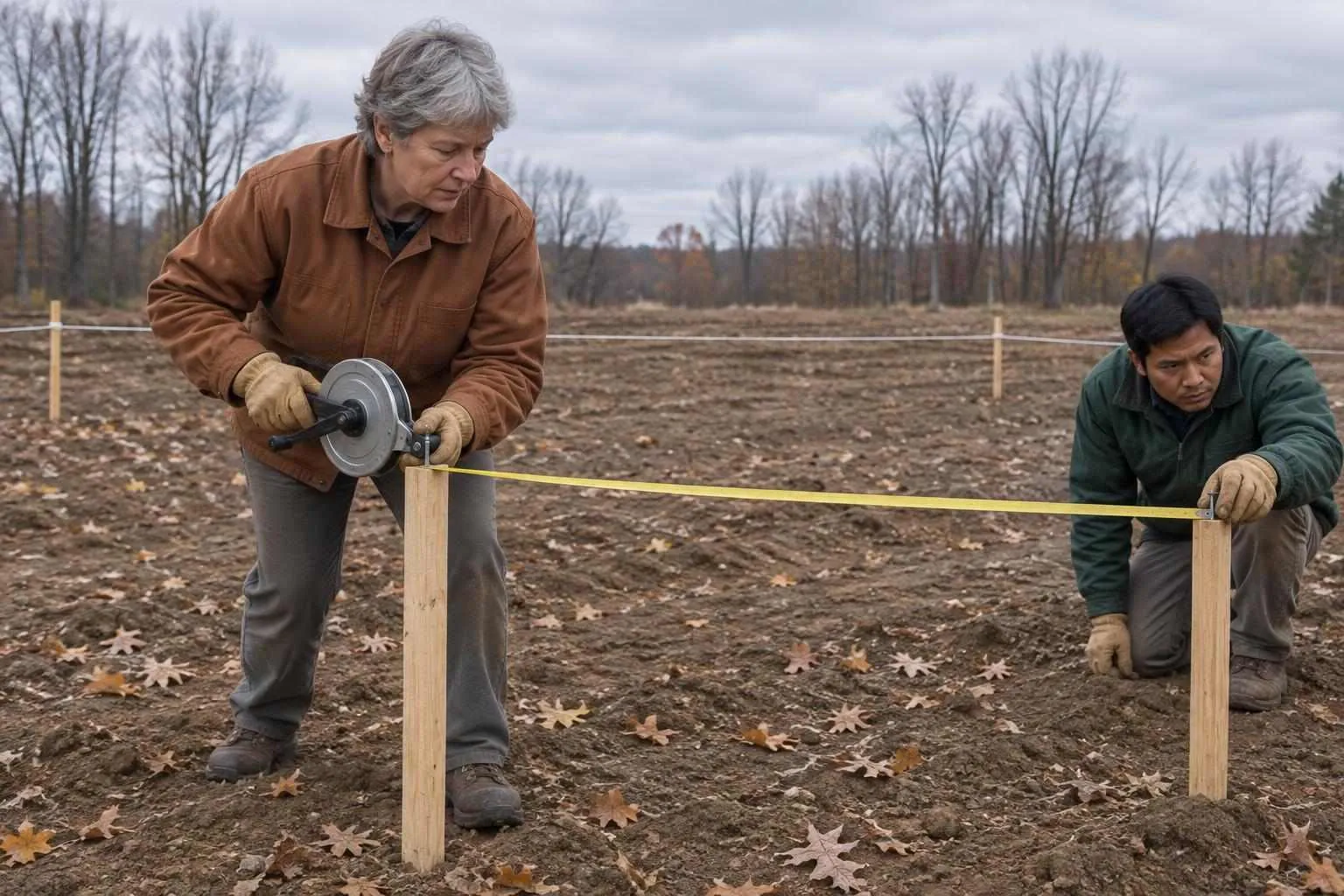
- Taking measurements from known reference points
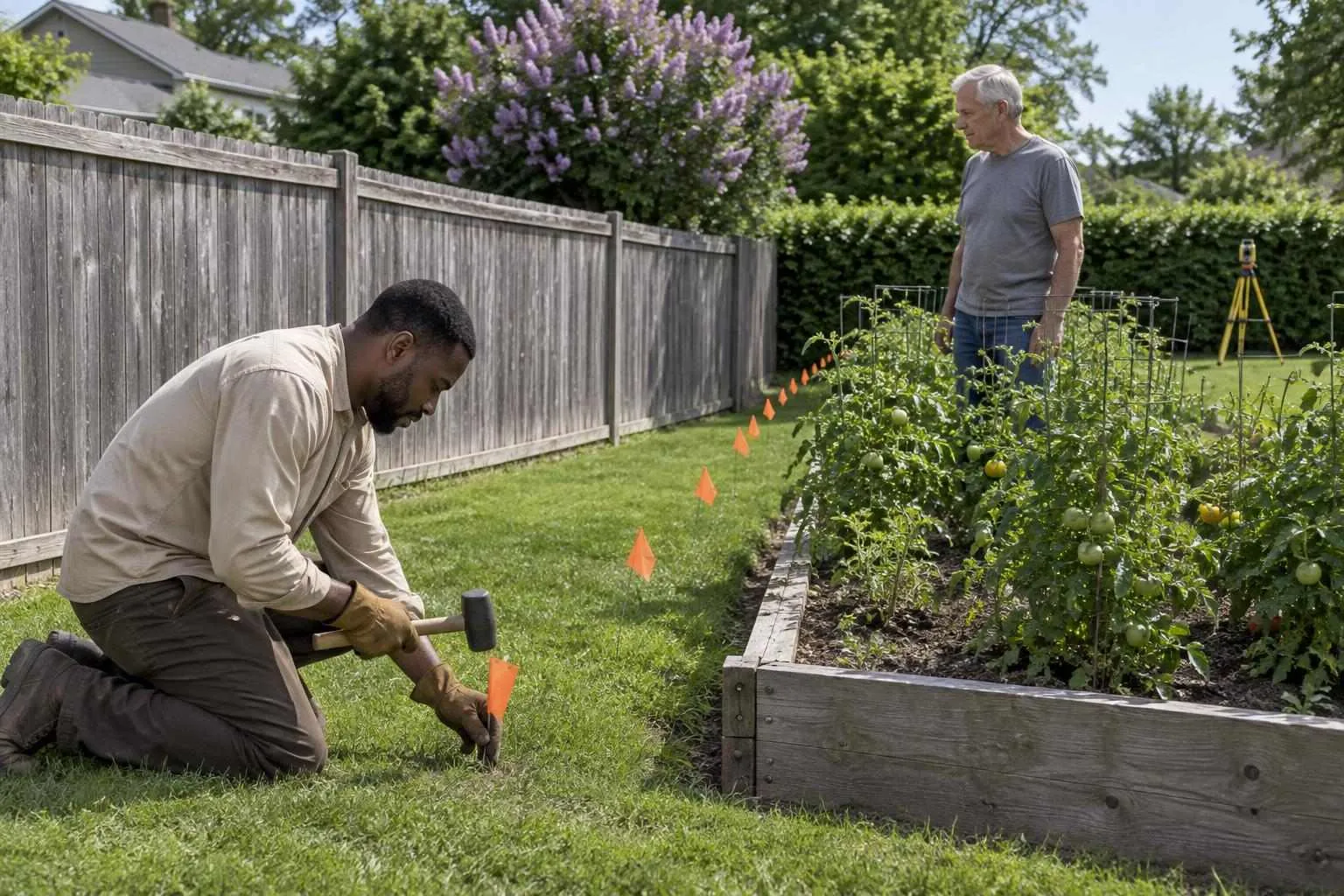
- Marking lot boundaries with pins or paint
- Recording topographic features if it’s a topographic survey
- Documenting evidence of previous corners (old nails, stones, concrete monuments)
In urban areas, this might mean “breaking down lots and blocks” across multiple properties. In county areas, it’s surveying entire sections. The physical work usually takes a day or two, depending on property size and complexity.
Reality Check:If a surveyor quotes you an estimate and then comes back saying “we found something unexpected and it’ll cost more,” that’s not a bait-and-switch. Finding conflicting corner evidence, unstable ground, or historical markers that weren’t on the radar changes the scope. The initial estimate was based on the information available during pre-site research.
Phase 3: Analysis and Calculation (Back in the Office)
The field work generates raw data—hundreds of measurements, GPS coordinates, sketches, and photographs. Now the surveyor has to convert that into a legal document.
They’ll:
- Input all field measurements into specialized software
- Use CAD (computer-aided design) tools like AutoCAD Civil 3D to create precise drawings
- Apply GIS (geographic information systems) analysis to cross-reference with historical data
- Verify calculations and reconcile any discrepancies
- Draft the official plat (map) with exact measurements and property descriptions
- Write the legal description—the formal text that describes boundaries in language a court will understand
Pro Tip:If you’re comparing quotes from different surveyors and one is significantly cheaper, ask what’s included in the deliverables. Some surveyors include zoning research and permitting assistance; others charge separately. A cheap survey that’s missing documentation is expensive when you need it for a title dispute.
Phase 4: Delivery (The Legal Document)
The final product isn’t just a pretty map. It’s a certified, sealed document that carries the surveyor’s professional license and legal authority. In every state, surveyors are individually licensed, and they sign and seal their work. That seal means they’re personally responsible for the accuracy of what’s on the page.
You’ll receive:
- The official plat (the map showing boundaries, measurements, and property corners)
- A written report documenting methods, findings, and any discrepancies
- A legal description of your property
- Documentation of any research into historical surveys
- Photos or evidence of how corners were established
For transactions like refinancing or selling, you might need an ALTA/NSPS survey—a specialized survey format required by title companies. These are more comprehensive and cost more ($2,000–$5,000+), but they’re the gold standard for real estate work.
What Most People Miss: The Technical Gauntlet
Land surveyors are not construction workers with better equipment. They’re licensed professionals who require:
- A bachelor’s degree in surveying, civil engineering, or closely related field
- State licensure (mandatory before they can certify documents or serve the public)
- Expert-level mathematics for calculating property areas, plotting coordinates, and resolving boundary discrepancies
- Proficiency in CAD and GIS software—they’re literally translating field measurements into digital legal documents
- Deep knowledge of state law and historical surveying standards
This is why a surveyor’s fee isn’t arbitrary. They’re not billing for the hours standing outside with a tool. They’re billing for the research, the licensed expertise, the calculation accuracy, and the legal liability they’re assuming.
The Real Challenges Nobody Tells You About
Conflicting historical data. Old surveys don’t always agree with newer ones. Maybe the original monument got moved. Maybe a 1950s survey contradicts a 1980s survey. The surveyor has to do detective work to figure out which one’s right.
Weather and access. Field work happens outside. Rain delays surveys. Snow requires rescheduling. Overgrown property or blocked corners add time.
Environmental hazards. Surveyors deal with insects, snakes, poison ivy, and extreme heat. It’s not part of the job description, but it’s part of the reality.
Conflicting property claims. Sometimes your neighbor genuinely believes the fence line is correct because their parents told them so thirty years ago. The surveyor’s job is to provide legal evidence, not to referee personal conflicts.
| Survey Type | Cost Range | Timeline | Best For |
|---|---|---|---|
| Residential Boundary | $500–$1,500 | 3–7 days | Determining exact property lines for residential property |
| Mortgage Survey | $300–$800 | 2–4 days | Refinancing; lender requirement for loan approval |
| ALTA/NSPS | $2,000–$5,000+ | 1–3 weeks | Real estate sales; required by title companies |
| Topographic | $1,000–$3,000+ | 1–2 weeks | Development planning; construction site prep |
| As-Built Survey | $1,500–$4,000+ | 1–2 weeks | Verifying structures match approved plans |
Practical Bottom Line
Here’s what to do if you need a surveyor:
-
Get a clear scope in writing. Specify what you need (boundary survey vs. ALTA survey vs. topographic work) and ask what the estimate includes. Don’t assume.
-
Provide historical documents if you have them. Old deeds, previous surveys, or title work speed up the research phase and can reduce costs.
-
Discuss timeline expectations upfront. Field work is one component; research and office work take time. “I need this by Friday” might not be realistic if historical records are scattered.
-
Verify licensure. Check your state surveyor board’s database. Their license number should appear on any sealed document they produce.
-
Understand the deliverables. Will you get a printed plat, digital files, or both? Will they attend a closing if questions come up? Some surveyors include follow-up support; others don’t.
The surveyor I hired for my boundary dispute ended up providing not just a map, but a three-page historical analysis showing exactly why my neighbor’s fence was over the line and what the original deed intended. That document resolved a fifteen-year dispute in two conversations. It was worth every penny because it was based on research and legal authority, not just someone’s measurement.
Want to understand the full process from start to finish? Check out The Complete Guide to Land Surveyors for everything from choosing a surveyor to understanding what happens with your final documents.
Done reading? Get quotes from land surveyors near you.
Takes about a minute. Free, no obligation; providers reply to you directly.
Popular cities: