Get free quotes from land surveying services near you
Takes about a minute. Free, no obligation; providers reply to you directly.
I showed up to a property line dispute settlement with what I thought was a simple agreement between neighbors—turns out, the property deed from 1987 didn’t match what the 1992 survey showed, which also didn’t match where the fence actually sat. Nobody had hired a surveyor to clarify things upfront. The legal fees that followed made me realize: most people have no idea what happens when you actually do hire one, which means they either skip it and regret it, or they book one and panic about timelines and costs.
Let me walk you through exactly what to expect.
The Short Version:Hiring a land surveyor is a three-phase process that typically takes 1–2 weeks from contract to deliverables. You’ll sign a proposal, provide property access, let the surveyor handle fieldwork and research, and receive a final map or plan. Costs vary by project scope and location, but preparation upfront—sharing deeds, unlocking gates, mowing grass—cuts delays significantly.
Key Takeaways
- The surveying process breaks into three distinct phases: research, fieldwork, and drafting—each with its own timeline.
- Total project duration ranges from one week to two weeks depending on property complexity, prior survey records, and research requirements.
- Client participation is minimal but critical: provide property access, confirm field dates, and supply existing deeds or survey documents.
- Incomplete research or field access delays are the biggest pain points—most are preventable with upfront communication.
Here’s What Most People Miss
The survey industry doesn’t advertise this, but the difference between a quick turnaround and a two-week nightmare often comes down to things you control—not the surveyor. A locked gate, overgrown grass, or missing historical documents aren’t minor inconveniences. They’re project killers that reset timelines.
Nobody tells you that either.
The 6-Step Hiring Process (From Call to Deliverables)
1. Initial Consultation & Proposal
You call, email, or request a quote. The surveyor asks: What’s the property? What’s the survey type (boundary, ALTA/NSPS, topographic, construction staking)? What’s the end use (refinance, sale, dispute resolution)?
They send a proposal with scope, timeline, and cost. You review, sign, and submit a deposit.
Timeline: A few hours to one business day.
What you need to have ready: Property address, approximate acreage, the reason you need the survey, and ideally a copy of your deed or prior survey if available.
Pro Tip:If you have any existing surveys, easement documents, or title commitments sitting around, send them now. It saves the research phase days of digging through county records.
2. Land Records Research
The moment the deposit clears, the surveyor dives into public records. They’re pulling deeds, plats, easements, and boundary descriptions from county assessor offices, land record libraries, and historical archives. They’re hunting for anything that affects your property line or title.
This is where incomplete research becomes expensive. Missing an easement or encumbrance now means discovering it later—after you’ve already closed on a sale or started construction.
Timeline: A few hours to several days, depending on how far back the deed chain goes and how straightforward the property history is.
What you provide: Nothing new—this is the surveyor’s work. But if you have old surveys or deeds, it accelerates this phase significantly.
Reality Check:Some counties have incomplete digital records. If your property is older or located in a rural area, research might take longer because the surveyor has to make in-person trips or work with archived documents. This is normal.
3. Schedule the Field Date
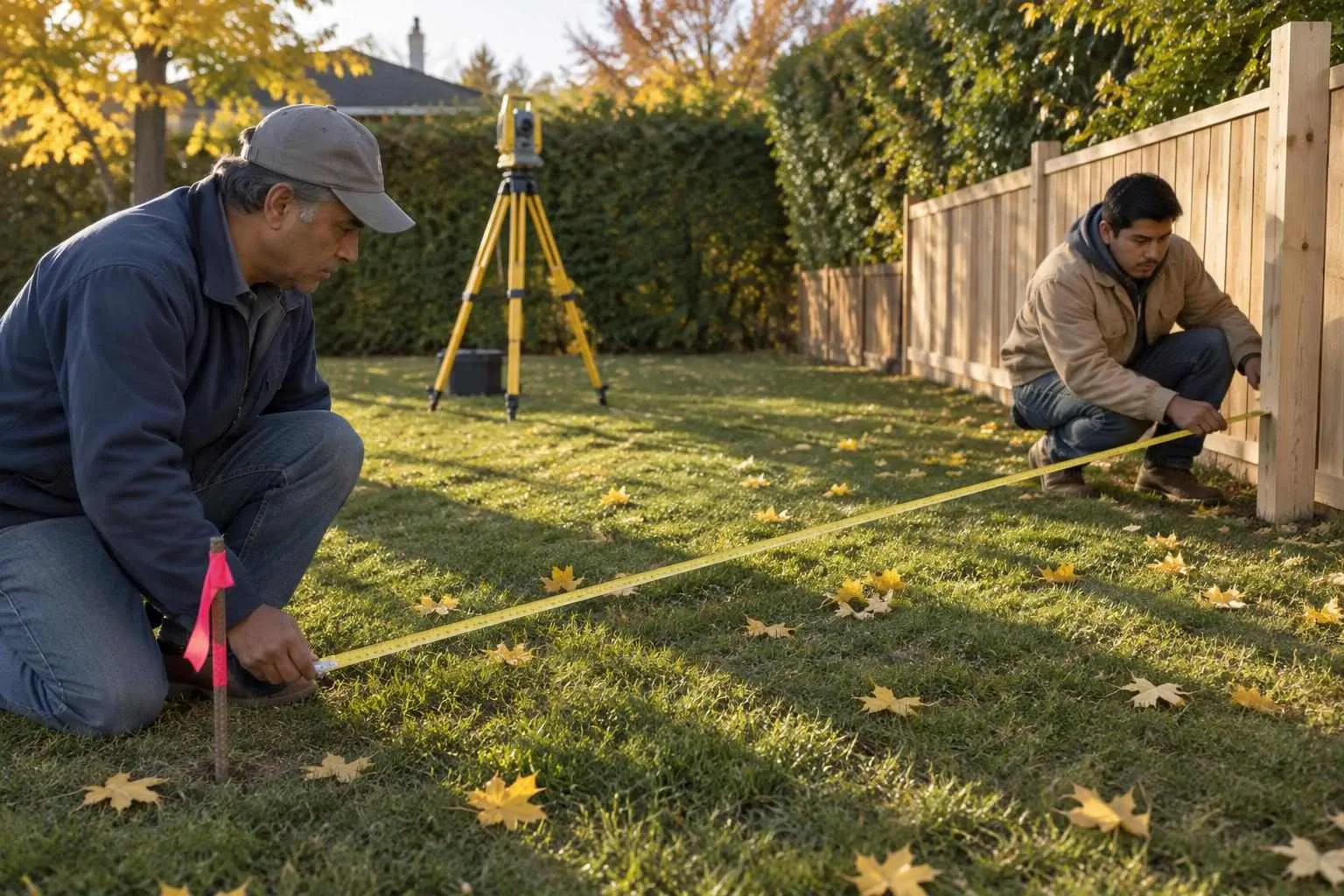
The surveyor sends a calendar invite for the actual fieldwork. This is when they (or their crew) show up on-site to locate boundary markers, measure the terrain, note improvements like buildings or fences, and gather physical data.
Timeline: You’ll typically get 1–2 weeks’ notice.
What you need to do:
- Confirm the date and time (crews usually arrive around 7:30 a.m.).
- Unlock any gates or provide access.
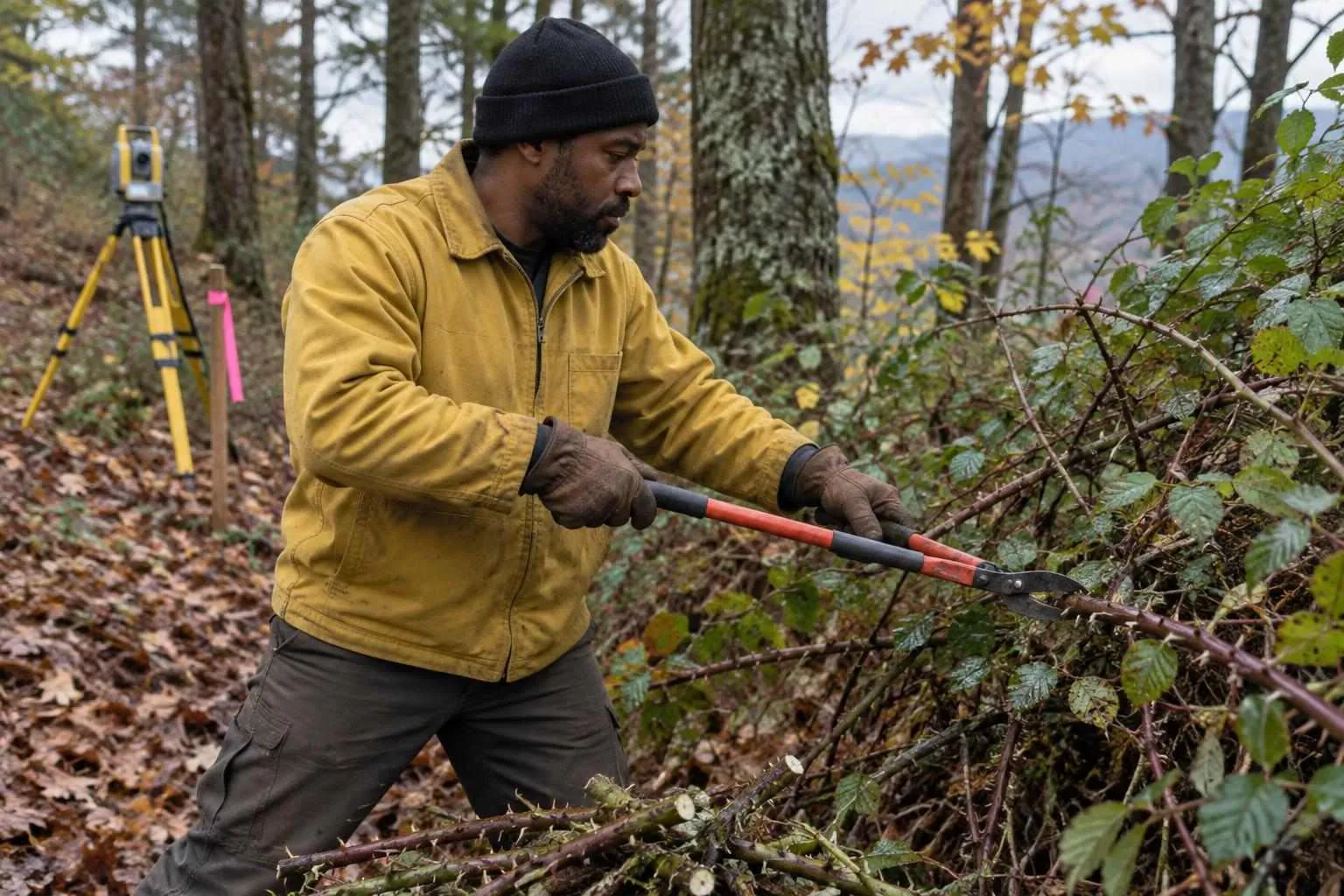
- Mow grass or clear brush if boundary markers are buried or hidden (optional but helpful).
- You don’t need to be present—the surveyor’s crew can work independently.
Pro Tip:If you know where old property pins or monuments are buried, mark them. If you have questions about easements or encroachments, write them down beforehand. The crew appreciates it and won’t bill you extra for pointing them in the right direction.
4. Fieldwork & Data Collection
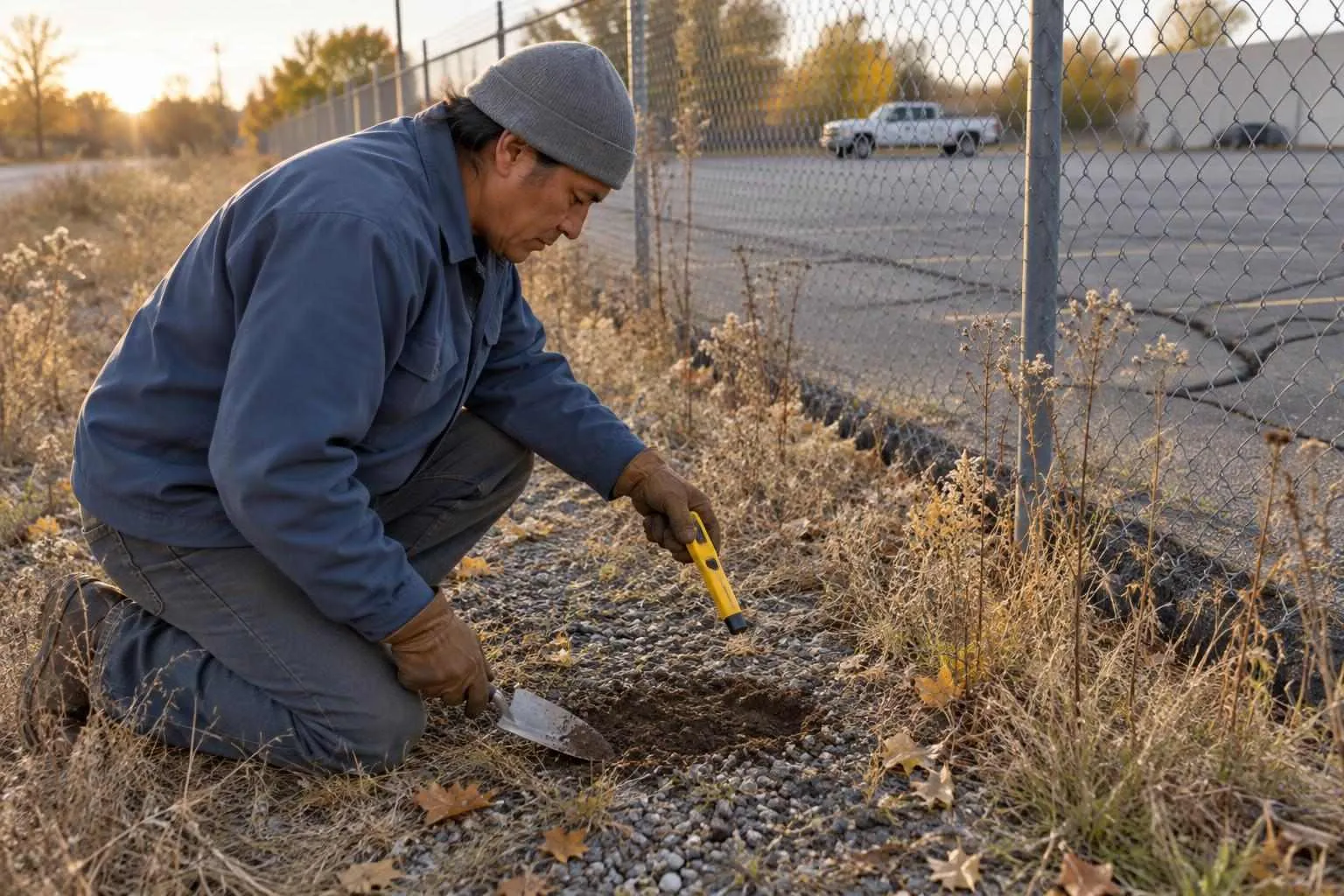
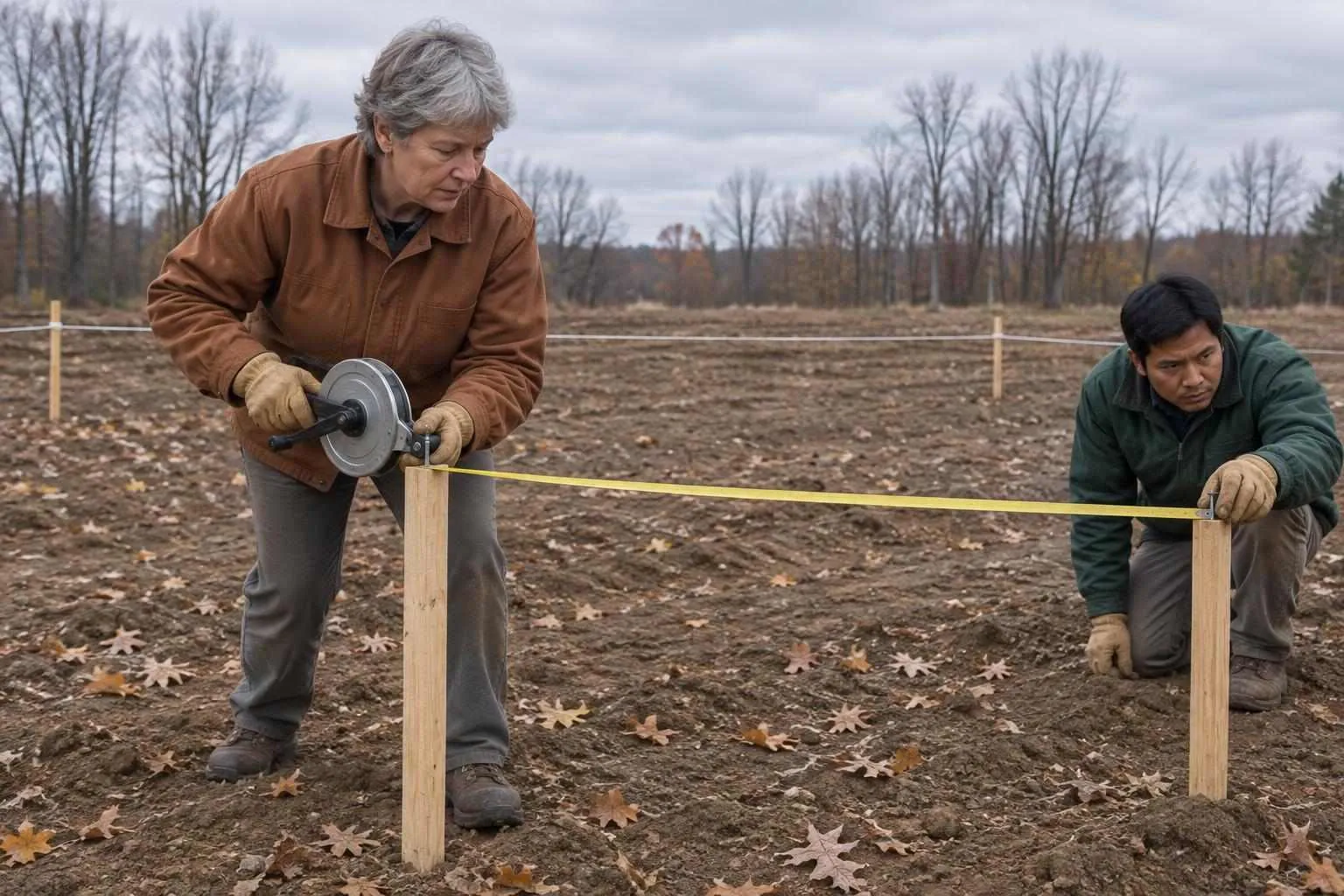
The surveyor’s crew arrives on-site and spends anywhere from 1–2 hours to several days conducting measurements. For a typical residential lot, you’re looking at 4–8 hours. For larger parcels or complex terrain, multiple days and possibly return visits.
What they’re doing: locating property pins or monuments, measuring distances and angles, noting vegetation or improvements, checking for encroachments, flagging utility lines (call 811 before fieldwork to mark underground utilities).
This is the phase where access problems hurt most. Locked gates, overgrown boundaries, or weather delays force reschedules.
Timeline: 1–2 hours for a simple residential lot; 1–3 days for larger properties or complex terrain; return visits possible if data gaps emerge.
What can cause delays:
- Inaccessible property
- Overgrown boundary lines
- Weather conditions
- Conflicting boundary evidence requiring additional measurement
5. Data Processing, Analysis & Drafting
After fieldwork, the surveyor doesn’t just sketch a map and ship it. They correlate the deeds with field measurements, reconcile older surveys with what they actually found, and solve the “puzzle” of boundary conflicts.
This involves inverse calculations, coordinate transformations, and sometimes boundary dispute research. They cross-reference deed language with measured points, flag discrepancies, and prepare final computations.
Timeline: 1 day for a standard boundary plan; 1 additional day for written legal descriptions; 3–5 days for a final PDF deliverable ready for your lender, title company, or architect.
What happens if data doesn’t match:
- The surveyor may flag a discrepancy and recommend a return field visit to collect additional measurements.
- For simple cases, they document the findings in a memo explaining the variance.
- For disputes, they prepare notes on which evidence takes priority (older surveys often carry less weight than field reality).
6. Final Delivery & Review
You receive the final survey map (or ALTA/NSPS title survey, or topographic plan—whatever you ordered). It’s signed and sealed by a licensed surveyor in your state, making it a legal document you can submit to a lender, title company, attorney, or municipality.
If you need copies, most surveyors provide digital PDFs plus printed sets at nominal cost.
Timeline: Same-day delivery to a few business days after drafting completes.
What to do next: Share the survey with your realtor, lender, title company, or architect as needed. If you’re moving forward with construction or development, use the survey as the baseline for your next steps.
Timeline Expectations: Full Project View
| Phase | Duration | Client Action | Common Delays |
|---|---|---|---|
| Proposal & Deposit | 1 business day | Sign and submit deposit | None (this is fast) |
| Research | Few hours – several days | Provide existing documents | Incomplete county records; complex deed history |
| Field Scheduling | 1–2 weeks notice | Confirm date; unlock gates | None (if you’re responsive) |
| Fieldwork | 1 hour – several days | Ensure access; mow if needed | Locked gates; overgrown lines; weather; utility marking delays |
| Data Processing & Drafting | 3–5 days | None | Return visits due to data gaps; boundary disputes requiring extra analysis |
| Final Delivery | Same day – few business days | Share with relevant parties | Rare (this is the final step) |
| Total Project | 1–2 weeks | — | Most delays are access-related and preventable |
The Cost Question (And Why It’s Complicated)
I’ll be honest: there’s no national “standard” price. Surveyor fees range from ~$500 for a simple residential boundary survey to $5,000+ for complex commercial or ALTA/NSPS work.
What drives cost:
- Project scope (boundary survey vs. ALTA vs. topographic)
- Property size and complexity (5-acre lot vs. 50-acre parcel with utility easements)
- Deed history (straightforward vs. tangled)
- Location (rural vs. urban; some regions have more availability, affecting rates)
Ask for a detailed estimate upfront. Reputable surveyors will break down research, fieldwork, and drafting separately so you understand what you’re paying for.
Reality Check:If a quote seems unusually low, ask questions. Underbidding often means corners get cut—incomplete research, rushed fieldwork, or lower-quality deliverables. You want precision, not speed.
Practical Bottom Line
Hiring a surveyor isn’t complicated, but it is three interdependent phases. You can speed it up by preparing upfront (provide access, share existing documents, confirm field dates immediately), but you can’t rush the actual surveying without losing accuracy.
What to do next:
- Get a proposal. Call a local surveyor, describe your property and need, request a formal estimate with timeline and deliverables spelled out.
- Provide existing documents. If you have deeds, prior surveys, or title commitments, send them before signing the contract.
- Plan for 1–2 weeks. Budget this timeline into your closing, refinance, or construction schedule so delays don’t cascade.
- Lock in the field date. When the surveyor proposes a date, confirm it immediately. Delays in scheduling compound the timeline.
- Clear access. Mow if needed, unlock gates, and ensure the crew can work unimpeded.
That’s it. The surveyor handles the rest—research, fieldwork, analysis, drafting. Your job is to be responsive and realistic about timeline.
Want the bigger picture? Check out our Complete Guide to Land Surveyors to understand survey types, when you actually need one, and how surveyors handle boundary disputes.
Done reading? Get quotes from land surveyors near you.
Takes about a minute. Free, no obligation; providers reply to you directly.
Popular cities: