Get free quotes from land surveying services near you
Takes about a minute. Free, no obligation; providers reply to you directly.
You’re sitting in a closing meeting. The title company hands you the survey—a quick boundary job you paid $400 for, maybe $500. The attorney glances at it, then looks up with that expression. “This doesn’t match the deed description from 1987.”
Now you’re calling the surveyor back. Now you’re ordering a second survey—the real one—for $2,500. Now you’re explaining to your client why the property line isn’t where everyone thought it was, and why the fence they built last summer is technically on the neighbor’s land.
The surveyor who did the cheap job? Already cashed your check.
The Short Version:Sometimes a budget land surveyor is fine—straightforward residential lots, no complications, clean records. But most of the time, saving $1,500 upfront costs you $5,000+ in delays, legal cleanup, or rework. The real question isn’t whether cheap surveyors exist. It’s whether you can afford what happens when they miss something.
Key Takeaways
- Average survey costs $2,300 nationwide, ranging $475–$25,000 depending on property complexity, terrain, and survey type
- Low-cost surveys often skip critical research phases, leading to boundary errors, legal disputes, and project delays
- Experienced surveyors recoup costs through legitimate factors: licensing (10+ years), equipment ($10,000+ per GPS unit), expertise, and thorough verification
- Simple residential surveys can be budget-friendly; complex commercial work cannot—know the difference for your project
The Real Cost Structure (And Why It’s Not What You Think)
Here’s what most people miss: when you see a quote for $800, you think you’re paying for the surveyor’s fieldwork—maybe 5 hours on the property with equipment.
You’re not. You’re paying for three phases that most clients never see.
Phase 1: Research. The surveyor pulls records—deeds, historical plats, prior surveys, easements, title documents. Depending on the property’s age and location, this can take 10–20 hours. In Georgia, boundary surveys run $300–$800, but that modest price assumes clean records. Messy title history? That research phase doubles.
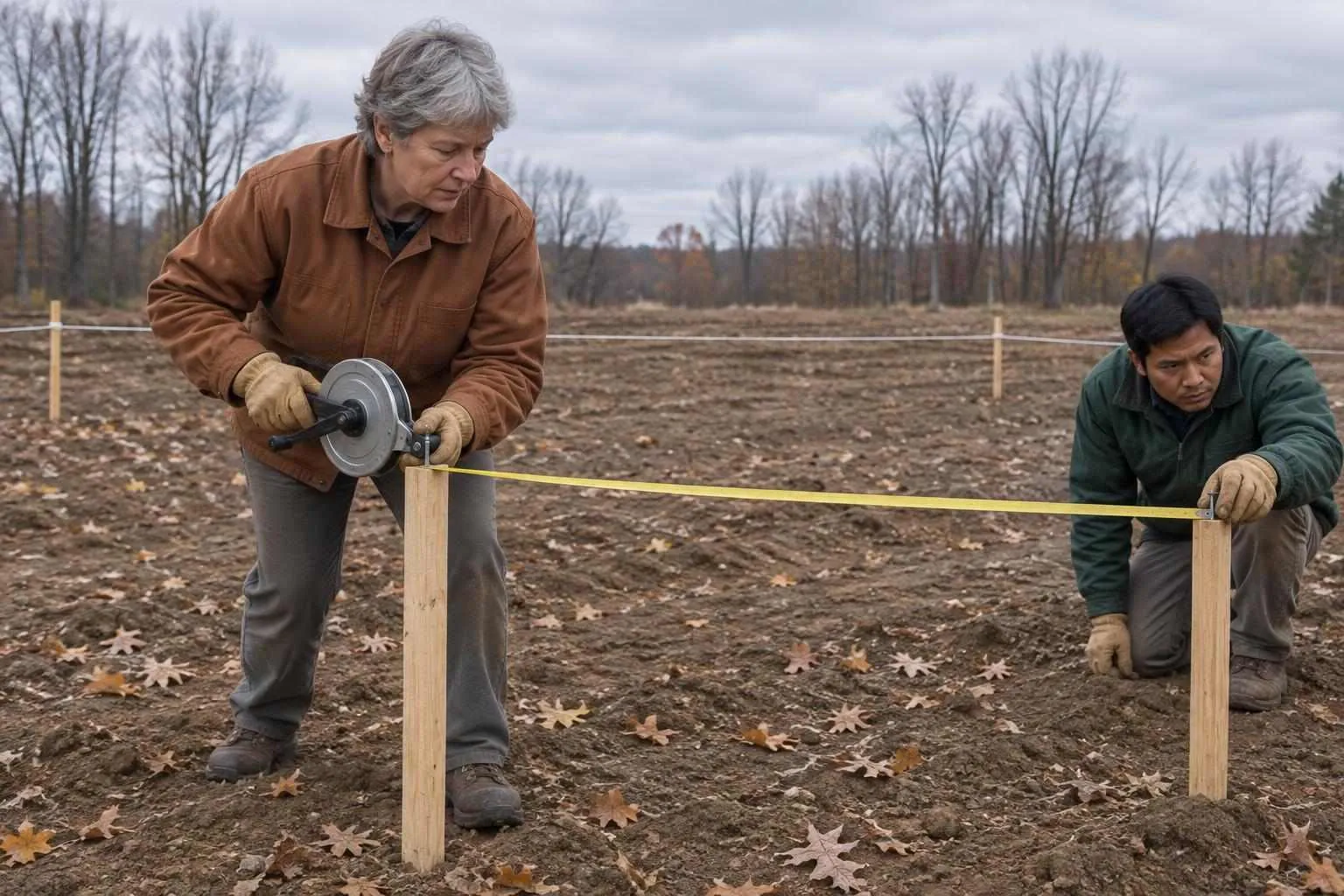
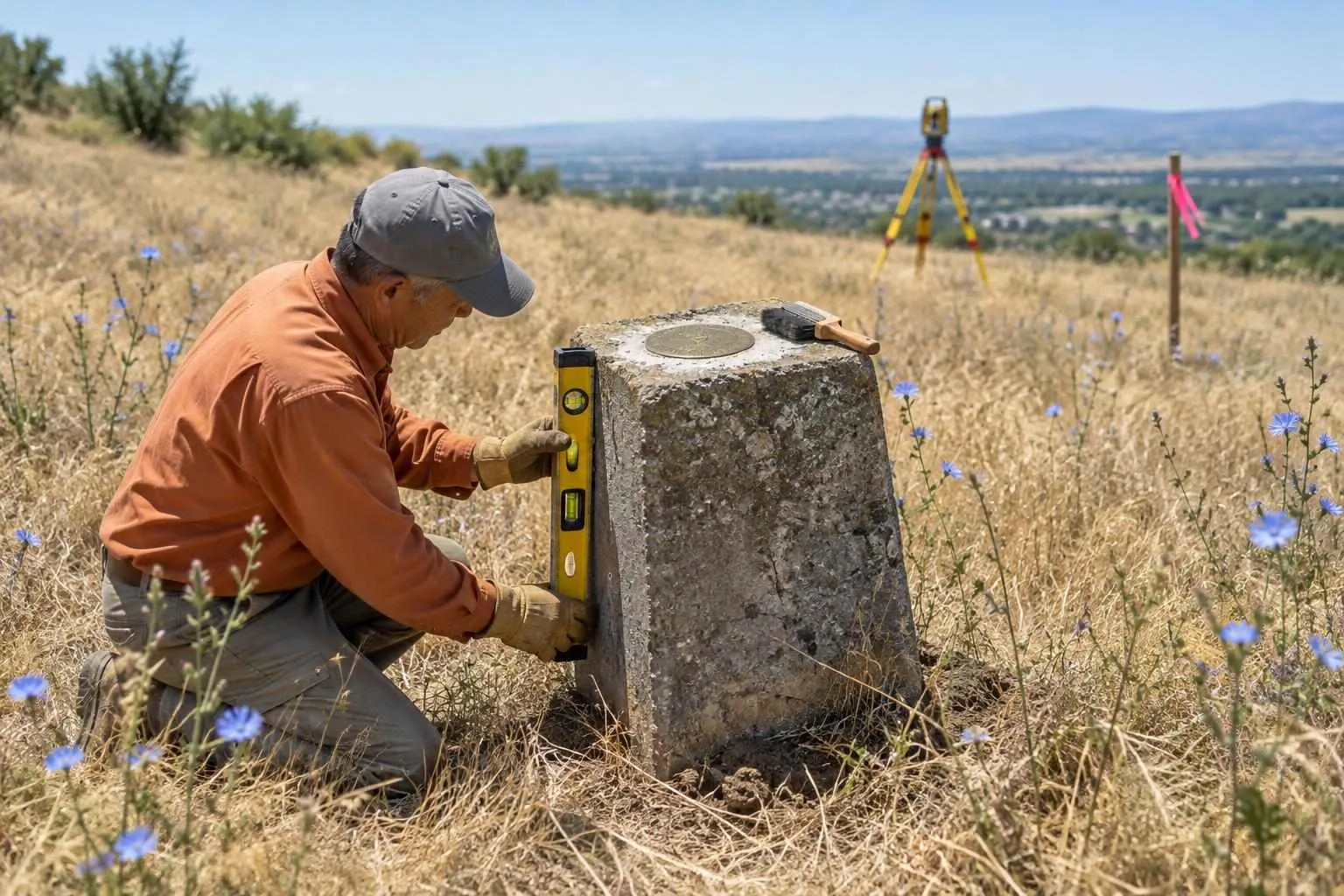
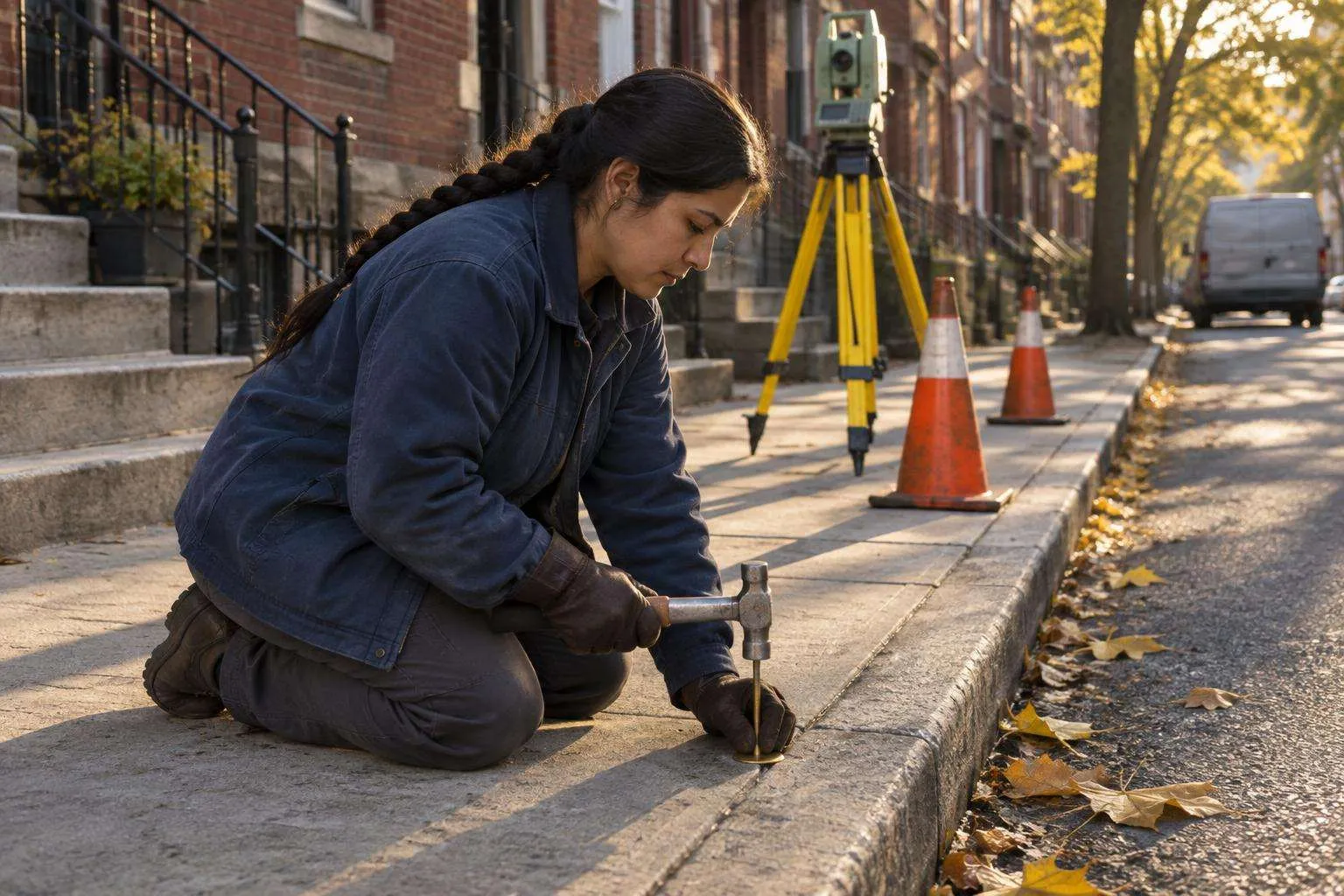
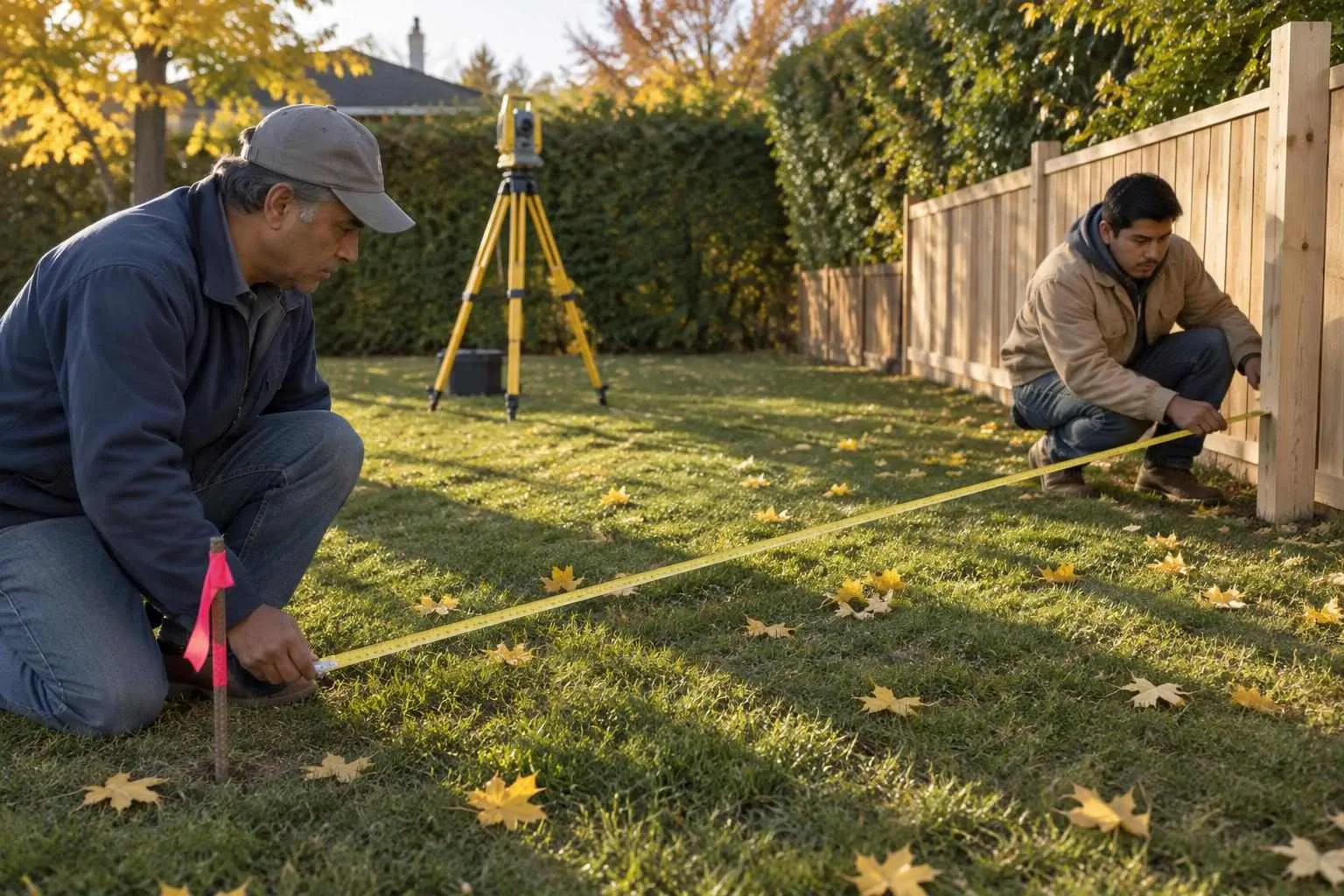
Phase 2: Fieldwork. This is the visible part. A square lot might take 5 hours. An irregular property with water features, trees, and structures? 20 hours. The surveyor uses GPS units (which cost over $10,000 and require constant maintenance), total stations, and aerial methods. They’re managing equipment, managing accuracy, managing the unexpected.
Phase 3: Office work. Drafting, CAD review, computations, legal compliance checks. A quality survey goes through at least two layers of review before it leaves the office. This is where mistakes get caught—or where they slip through if the surveyor cuts corners.
Reality Check:A $400 survey almost always means someone skipped or rushed phases 1 or 3. You’ll find out which one went wrong when the error surfaces. And it will surface—usually right before closing, or right after the fence goes up.
What “Cheap” Actually Looks Like
Let’s be concrete. Here’s what happens at different price points:
| Survey Type | National Range | What You Get | What You Might Lose |
|---|---|---|---|
| Budget Boundary (Residential) | $300–$800 | Property corners marked, basic plat | Thorough title research, dual review, problem-solving |
| Standard Boundary | $1,200–$2,000 | Corners, plat, research, basic verification | Advanced tech for complex terrain, expert troubleshooting |
| ALTA/NSPS (Commercial) | $1,500–$5,000+ | Comprehensive title/easement research, precise corners, utilities mapped, multiple reviews | Industry standard for transactions; no cutting corners here |
The gap between budget and standard? Often $400–$600. That’s not because surveyors are greedy. It’s because the standard version includes the parts that actually protect you.
Why Experienced Surveyors Cost What They Cost
Dr. Nettleman, who trains surveyors, breaks down the real cost drivers in conversations across the industry: Time to license. Equipment. Supply and demand.
Licensing alone is brutal. In most states, you need a surveying degree plus 10+ years of on-the-job experience before you can get licensed and sign surveys independently. That’s a decade of building expertise—and frankly, encountering the weird, impossible boundary situations that teach you how to problem-solve.
Equipment isn’t a one-time buy. Professional GPS units run over $10,000. Total stations, drones with LiDAR, CAD software, vehicle costs, insurance—this is infrastructure. A surveyor has to work hundreds of hours just to break even on hardware.
Supply is tight. There aren’t enough licensed surveyors, which means demand pushes rates up. It’s basic economics. Plan ahead, because the cheap surveyor in your town might not have availability for six weeks.
Pro Tip:When comparing quotes, ask about the surveyor’s experience, equipment, and whether they use drone technology for complex terrain. A quote 40% lower than others usually means something’s being skipped—ask what.
Real Examples of What Goes Wrong
Scenario 1: The Missing Research A developer in Atlanta ordered a boundary survey for $500 from a surveyor offering “quick turnaround.” No deep research phase. Field work looked clean. The plat missed a 1923 easement buried in county records—one the original surveyor should have found. The easement holder later claimed rights to access the property for maintenance. Legal battle cost $30,000. The cheap survey? That $500 never mattered.
Scenario 2: The Drone LiDAR Gap A surveying firm used budget-tier drone LiDAR to map topography for a construction project. Without proper ground control points and operator expertise, the data had gaps—areas where the sensor didn’t capture elevation accurately. The contractor graded based on incomplete topo. Water pooled in places it shouldn’t have. Rework: $15,000. The LiDAR survey cost $800.
Scenario 3: The Boundary Flip A residential survey marked corners in the wrong location—the surveyor misread the deed description (Phase 1 failure). Homeowners built a deck. The actual boundary ran through it. They sued. The surveyor’s liability insurance covered some of it, but the homeowners spent $8,000 in legal fees and never got their deck.
These aren’t edge cases. They’re industry patterns. CU Survey, among others, notes that inexperienced surveyors create “costly errors down the line”—errors that compound when they go unnoticed.
When Budget IS Actually Fine
I’m going to be honest: not every survey needs to be expensive.
Simple residential boundary surveys on well-documented properties with clean records? You can safely go with the $800 option if the surveyor is licensed, has solid reviews, and has been in business 5+ years.
Urban properties with clear deed descriptions, no disputes, standard four corners? Budget option works.
Rural or complex properties, anything with easements, utilities, or murky title history? Spend the money. Get the full three-phase process.
Commercial transactions (ALTA/NSPS surveys)? Never cheap out. These require the comprehensive approach.
The difference: know what you’re buying. A simple survey on a simple property isn’t complicated. A complicated property disguised as simple will wreck you.
Practical Bottom Line
Here’s what to actually do:
-
Get multiple quotes. Three quotes from licensed surveyors in your area gives you a baseline. If one is 50% cheaper, ask why. The answer matters.
-
Ask about experience and equipment. 10+ years in business. Modern GPS. Drone capability. Two layers of CAD review. These are minimums.
-
Clarify the scope. What’s included in phases 1, 2, and 3? Will they do thorough title research or just basic field marking?
-
Budget accordingly. Average is $2,300. For straightforward work, $1,200–$1,500 is reasonable. For anything complex, $2,500–$4,000+ is normal. Anything significantly below that deserves skepticism.
-
Plan ahead. Don’t order a survey two weeks before closing. Surveyor availability is tight, and rushing means mistakes.
The cheapest survey isn’t the one with the lowest quote. It’s the one that doesn’t have to be redone because it was wrong the first time.
Want the full context on how surveyors work and what they do? Read the Complete Guide to Land Surveyors. And if you’re in a specific market—looking at commercial surveys or dealing with complex terrain—your local pricing and options matter too. Understand what your area charges and why.
Done reading? Get quotes from land surveyors near you.
Takes about a minute. Free, no obligation; providers reply to you directly.
Popular cities: