Get free quotes from land surveying services near you
Takes about a minute. Free, no obligation; providers reply to you directly.
I showed up to my property line dispute ready to hand the surveyor a fuzzy old deed and a vague gesture toward “somewhere around there.” Three hours later, the surveyor was still digging through my office looking for boundary markers I’d never documented, my neighbor was annoyed about the surprise visit, and I was being charged for research time I could’ve eliminated entirely. Turns out, fifteen minutes of preparation would’ve saved us all half a day and probably $200.
Land surveyors are forensic detectives of property lines — they need raw material to work with. The difference between a smooth four-hour survey and a chaotic twelve-hour ordeal often comes down to whether you’ve done your homework first.
The Short Version:Gather your deed, prior surveys, and property documents. Clear brush and debris from corners. Mark known property lines. Schedule 1–2 weeks ahead and confirm the survey type (boundary, mortgage, ALTA, etc.). Remove hazards and ensure gate access. This prep reduces surveyor research time, prevents costly delays, and sets you up for a defensible survey result.
Key Takeaways
- Provide deeds, prior surveys, and plats upfront — missing documents force surveyors into expensive office research
- Clear vegetation, debris, and obstructions around corners 1–2 days before the appointment
- Define your survey purpose (loan, boundary dispute, lot split, construction) to ensure the right methodology
- Expect a $600+ Record of Survey submittal fee; additional prep prevents cost overruns
- Verify the finished survey against your deed to catch encroachments or title issues early
The Problem Nobody Warns You About
Most property owners treat the survey like an oil change — drop the car off and assume the professional handles everything. But surveyors don’t work in a vacuum. They’re piecing together deed language from 1987, tracking down corner monuments you’ve never heard of, and trying to access property lines while managing neighbor relations. Every document you don’t provide, every corner you haven’t flagged, every gate that’s locked without a code — that’s billable research time.
Reality Check:According to county ordinance records, a Record of Survey submittal fee is $600 base, with potential additional map checking fees if costs exceed that baseline. But that’s just the county’s cut. The surveyor’s field time and office research? That varies wildly depending on preparation.
Here’s what most people miss: preparation reduces surveyor office research time dramatically. Provide prior surveys, deeds, and boundary plats upfront, and you’re not paying the surveyor to play detective in dusty county records.
The 10-Point Checklist: What You Need Before the Surveyor Arrives
1. Gather All Property Documents (Do This First)
This is non-negotiable. Your surveyor needs these to legally establish your property lines:
- Current deed (the recorded document that transferred the property to you)
- Prior boundary surveys (if any exist — these are gold)
- ALTA/NSPS surveys (title company surveys for previous loans; they’re comprehensive)
- Lot plats or subdivision maps (original recorded plat showing lot layout)
- Certified corner records (documents showing where surveyors previously marked corners)
- Boundary plat records (public records of prior boundary work)
- Easement and zoning documents (affects what you can legally build)
- Adjoiner deeds (deeds of neighbors; surveyors often need these for boundary confirmation)
- Senior conveyances (older deeds in your chain of title; sometimes critical for metes-and-bounds calls)
- Latest assessor’s map (shows how your county sees your lot; often reveals discrepancies early)
Pro Tip:Start at your county assessor’s office website. Most have free online deed and map access. Download everything you can find. Then call your title company — they often have prior ALTA surveys on file and will email them for free.
Why this matters: Alliance Land Surveyors notes that having previous surveys on hand reduces office research time significantly. That’s time the surveyor won’t bill you for.
2. Clear Access to Your Property Corners (1–2 Days Before)
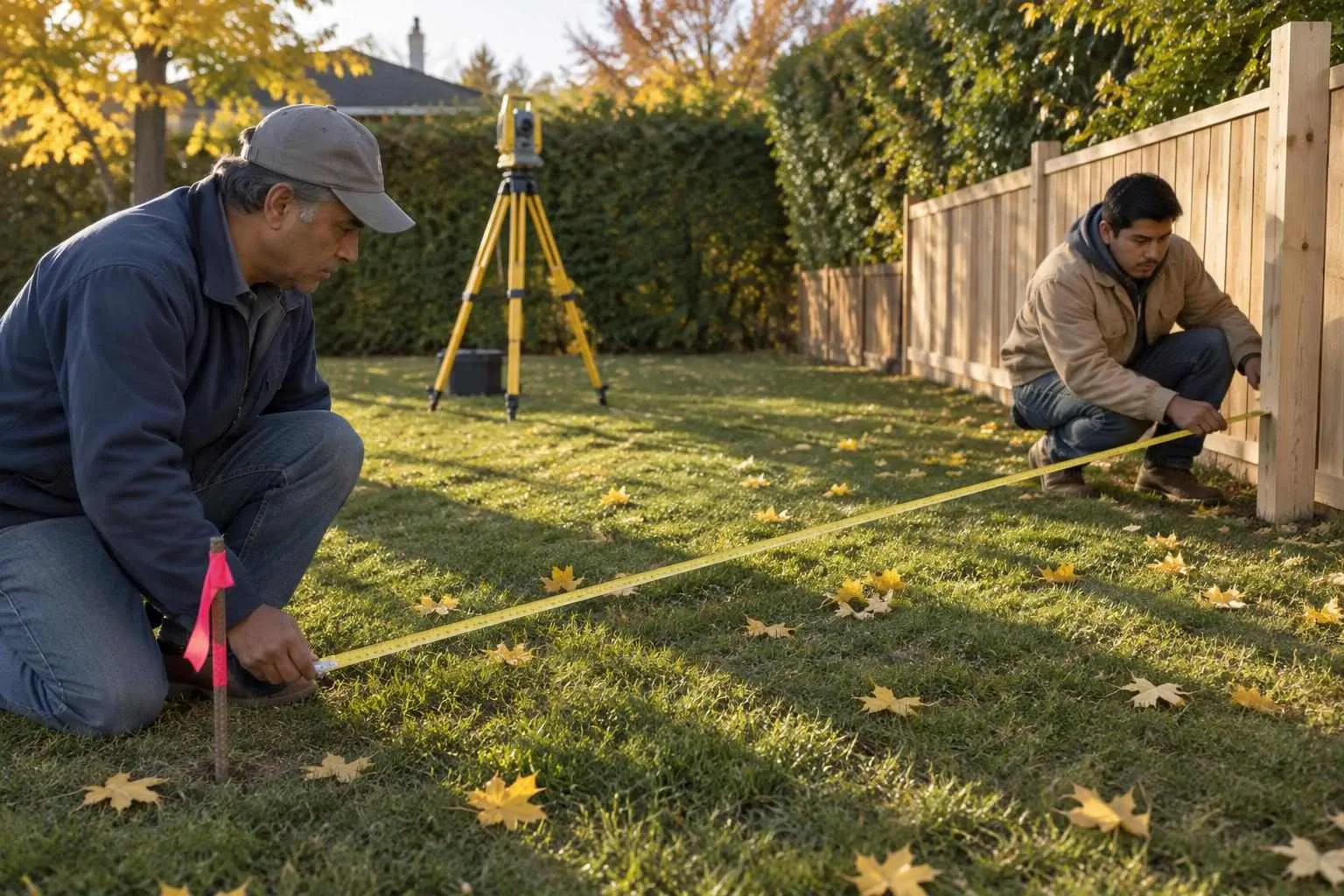
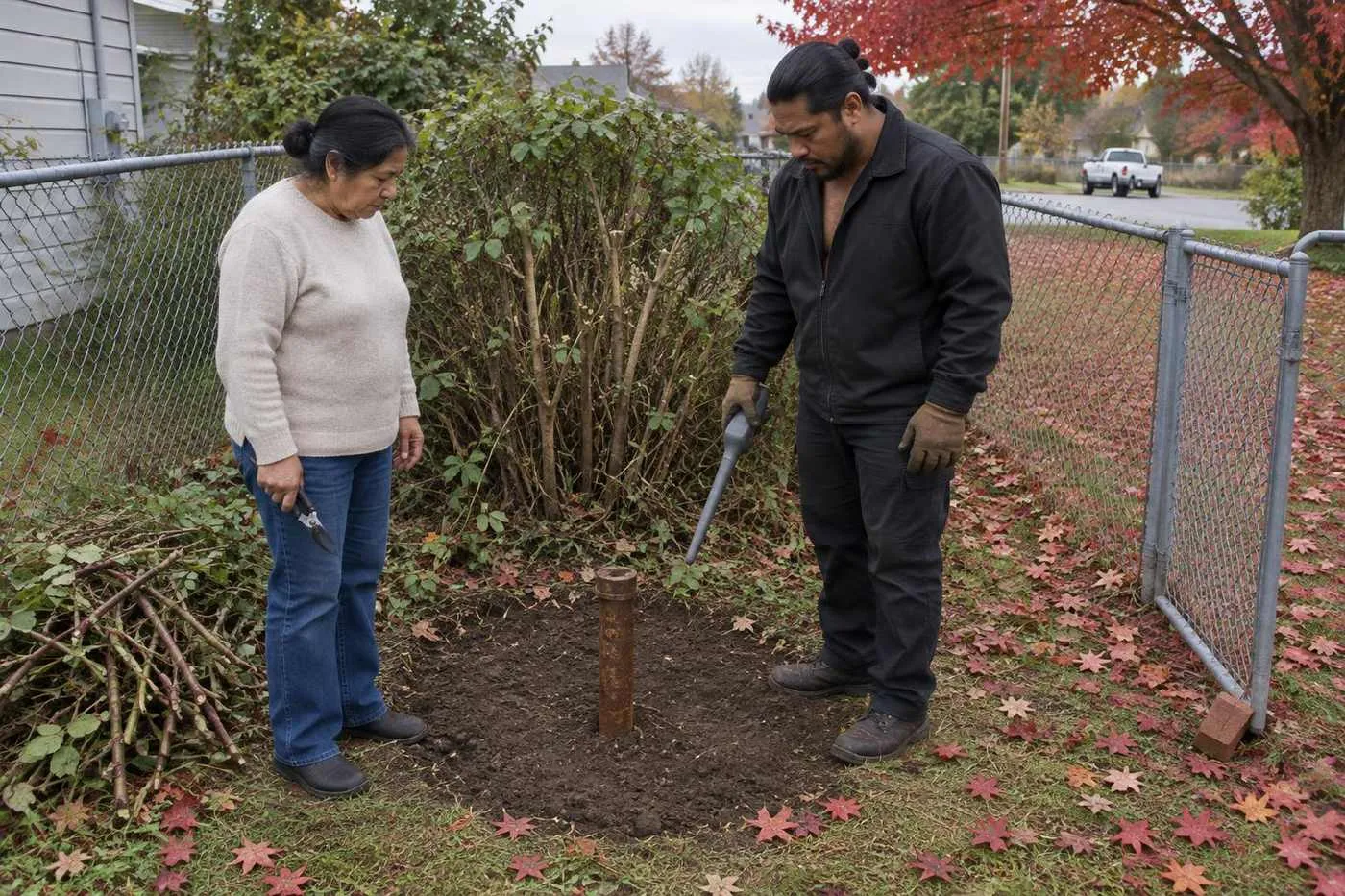
Your surveyor uses GPS and total station equipment — both need line-of-sight to property corners. Overgrown brush, fallen branches, and debris block the signal and slow fieldwork.
Clear this:
- Vegetation around fence lines and known corners (trim brush, grass, low branches)
- Fallen branches, dead wood, and yard debris
- Old equipment, cars, or construction materials near boundaries
- Anything blocking drivable access to corners
Stoner Surveyors recommends marking known corners with flags 1–2 days prior; this saves the surveyor time and money in the field.
Reality Check:Obstructed corners force surveyors to spend extra field time searching, digging, or setting up alternative measurement points. At $150–$300+ per hour in the field, that’s not cheap.
3. Ensure Physical Access (Keys, Codes, Permissions)
Locked gates, closed community roads, or inaccessible neighbor properties kill surveys dead.
Provide:
- Gate codes and keys for gated properties
- Contact info for property management (if applicable)
- Permission from neighbors if your boundary line touches their land
- Drivable routes to all corners (or directions for walking access)
First Choice Surveying emphasizes providing gate codes for gated communities — it’s the difference between a smooth appointment and a rescheduled one.
In states like Oregon, surveyors are legally required to attempt contact before entering private land without permission. That contact can be as simple as a door hanger, but delays happen.
4. Define Your Survey Purpose and Type
Surveyors aren’t mind readers. Tell them exactly why you need the survey — the methodology and scope depends on your answer.
| Survey Type | When You Need It | What You’re Getting |
|---|---|---|
| Boundary Survey | Loan, property sale, new fence | Legal property lines, corner monuments |
| Mortgage/Title Survey | Mortgage application | Boundary + building placement + easements |
| ALTA/NSPS Survey | Commercial real estate, complex transactions | Most detailed; shows all encroachments, easements, hazards |
| Topographic Survey | Construction, site planning, drainage design | Terrain contours, elevation changes, utilities |
| Construction Staking | Building placement, grading | Reference points for contractors |
| Lot Split/Subdivision Plat | Dividing property, creating new parcels | New lot lines, monumentation, recorded plat |
Why it matters: A boundary survey and an ALTA survey are not the same — and the latter costs more. Knowing what you actually need prevents scope creep and surprises.
5. Mark Known Property Corners
If you know where your property corners are (from a prior survey, a fence line, or local knowledge), flag them with survey flags or small stakes. This gives the surveyor a starting point and saves field time.
6. Identify Hazards and Special Conditions
Surveyors work outdoors in all conditions. Tell them upfront about:
- Steep slopes or unstable terrain
- Wetlands or bodies of water
- Hazardous equipment or old debris
- Aggressive pets or wildlife concerns
- Topographic complexity (for topographic surveys, this is essential data)
Removing or flagging hazards isn’t just courteous — it keeps everyone safe and keeps the survey on schedule.
7. Schedule 1–2 Weeks Ahead
Surveyors book out. Don’t call Tuesday expecting service Wednesday. Give them 1–2 weeks notice, confirm the appointment via email (so there’s a written record), and reconfirm details 2–3 days before.
Pro Tip:Surveyors often need to check courthouse records before arriving at your property. Advance notice lets them do that research off the clock, reducing field time.
8. Prepare for the Visitand Neighbor Access
The surveyor will likely knock on neighbor doors — either to request boundary access or to confirm corner locations. A heads-up to your neighbors prevents surprises and friction.
In Oregon and many states, surveyors can legally enter adjacent property to establish boundary lines, but they must attempt contact first.
9. Arrange Verified Corner Monumentation
When the surveyor finishes, they’ll mark your corners with steel rods or permanent monuments, stamped with the surveyor’s license number and business name. In Oregon and most states, the survey map is then filed with the county. This creates a legal record.
Understand: Corners marked by a licensed surveyor and filed per state law are defensible in court.
10. Verify the Final Survey Against Your Deed
After you receive the survey, cross-check it against your deed and tax records:
- Square footage and acreage match? (Compare to deed and assessor records)
- Lot, block, and section match? (Verify against original plat)
- Metes and bounds calls align? (Read the deed language and trace it on the map)
- Encroachments noted? (Fences, buildings, or neighbor structures crossing your line?)
- Easements documented? (Utility lines, drainage, right-of-way?)
- Contiguity clear? (Your parcels connect as expected?)
Nobody tells you this: discovery of discrepancies after the survey is delivered is cheaper than discovering them during a property dispute or mortgage closing. If something doesn’t match, flagging it immediately with the surveyor allows for correction while the work is fresh.
The Cost Reality
A Record of Survey submittal fee is $600 per county ordinance — and that’s just the county’s filing fee. The surveyor’s invoice varies by survey type, property size, and complexity:
- Simple residential boundary: ~$500–$800
- ALTA/NSPS title survey: ~$1,500–$3,000+
- Complex commercial or dispute surveys: $5,000+
Here’s the truth: Preparation doesn’t eliminate the fee, but it eliminates the research surcharge. A surveyor who doesn’t have to spend 2–3 hours in county records is a surveyor who invoices you for field time only.
Practical Bottom Line
Before your surveyor arrives:
- ✅ Email your deed, prior surveys, and county assessor map
- ✅ Clear brush and debris from property corners
- ✅ Mark known corners with flags
- ✅ Confirm access (keys, gate codes, neighbor permission)
- ✅ Define your survey type and purpose
- ✅ Schedule 1–2 weeks ahead with email confirmation
- ✅ Reconfirm 2–3 days before
- ✅ Verify the final survey against your deed before accepting it
What happens next: Your surveyor arrives to a cleared, documented property. They spend their time on fieldwork, not research. Your invoice reflects that. And you walk away with a defensible, professionally recorded property survey — not a rushed job compromised by missing information.
That’s the difference between a $600 survey and an $800+ one.
Want the full context? Check out our Complete Guide to Land Surveyors for everything from choosing a surveyor to understanding legal standards. Or if you’re navigating a specific city or county, explore our location guides for regional requirements and typical costs.
Done reading? Get quotes from land surveyors near you.
Takes about a minute. Free, no obligation; providers reply to you directly.
Popular cities: